How to Unveil the Artistry and Cultural Significance of Mosque Carpets in Islamic Tradition?
In the rich tapestry of Islamic art and culture, mosque carpets stand out as masterpieces of craftsmanship and artistic expression. Woven with precision and care, these carpets serve not only as functional elements within the mosque but also as symbols of cultural identity and heritage. Let's explore the artistry and craftsmanship of mosque carpets and their enduring significance in Islamic culture.
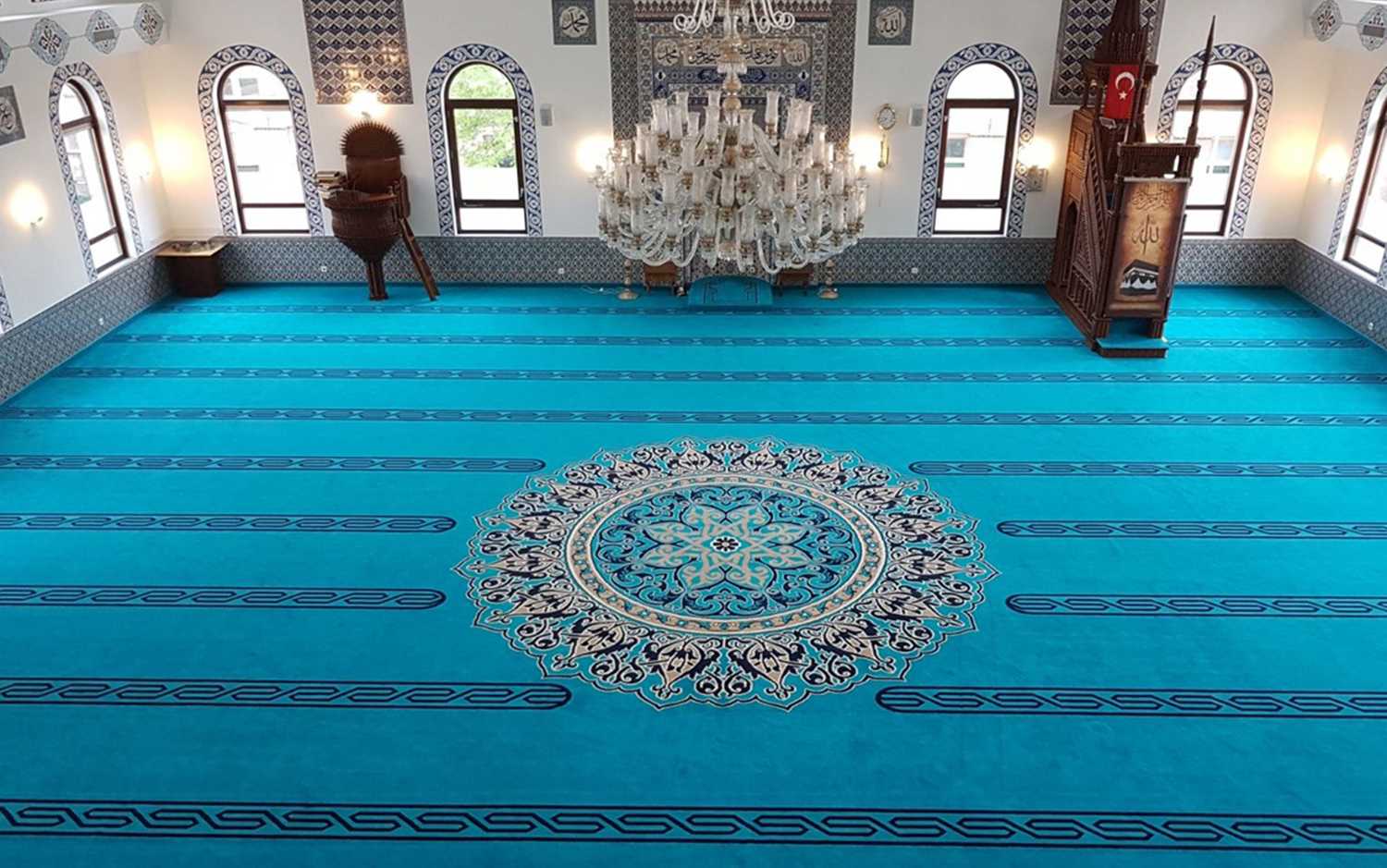
Visually stunning compositions that inspire awe and reverence
One of the defining features of Mosque Carpets is their intricate designs, which reflect the diverse artistic traditions of the Islamic world. From the geometric patterns of Andalusian Spain to the floral motifs of Ottoman Turkey, mosque carpets showcase a rich tapestry of styles and influences. These designs are often imbued with symbolic meaning, drawing inspiration from nature, Islamic calligraphy, and sacred geometry to create visually stunning compositions that inspire awe and reverence.
Precision and attention to detail in every step of the process
The process of creating a mosque carpet is a labor-intensive and highly skilled endeavor that requires years of training and expertise. Master weavers meticulously handcraft each carpet, using traditional techniques that have been passed down through generations. From spinning the yarn to dyeing the fibers and weaving the intricate patterns, every step of the process is carried out with precision and attention to detail.
Made from luxurious materials such as wool or silk for durability
Moreover, mosque carpets are often made from high-quality materials such as wool or silk, chosen for their durability, softness, and luster. These natural fibers not only lend a luxurious feel to the carpet but also enhance its longevity and resilience, ensuring that it withstands the test of time and maintains its beauty for generations to come.
In addition to their aesthetic appeal, mosque carpets serve a practical function within the mosque, providing a comfortable and clean surface for worshippers to pray on. The soft, cushioned texture of the carpet helps to reduce strain on the knees and joints during prostration, allowing worshippers to engage fully in their prayers without discomfort. Furthermore, the carpet helps to absorb sound, minimizing echoes and creating a peaceful and conducive environment for prayer and reflection.
Beyond their functional role, mosque carpets also hold deep cultural and spiritual significance within the Islamic world. They are often donated by wealthy patrons or royal families as acts of piety and philanthropy, symbolizing their commitment to supporting the mosque and the community. In this way, mosque carpets become cherished artifacts that embody the generosity and devotion of their benefactors, as well as the collective identity and heritage of the Muslim ummah.
In conclusion, mosque carpets represent a harmonious fusion of artistry, craftsmanship, and cultural heritage that continues to captivate and inspire admirers around the world. Through their intricate designs, fine materials, and symbolic significance, mosque carpets serve as enduring symbols of Islamic identity and spirituality, enriching the sacred space of worship and fostering a sense of connection and reverence among worshippers. As timeless expressions of Islamic art and culture, mosque carpets stand as testament to the enduring legacy of Islamic heritage.


Comments
Post a Comment