What Environmental Considerations Should You Make When Choosing Vinyl Carpets?
In recent years, there has been growing concern over the environmental impact of flooring materials, leading many homeowners and designers to seek out more eco-friendly options. While vinyl carpets offer a range of benefits in terms of durability, affordability, and versatility, there are also environmental considerations to take into account when choosing this type of flooring.
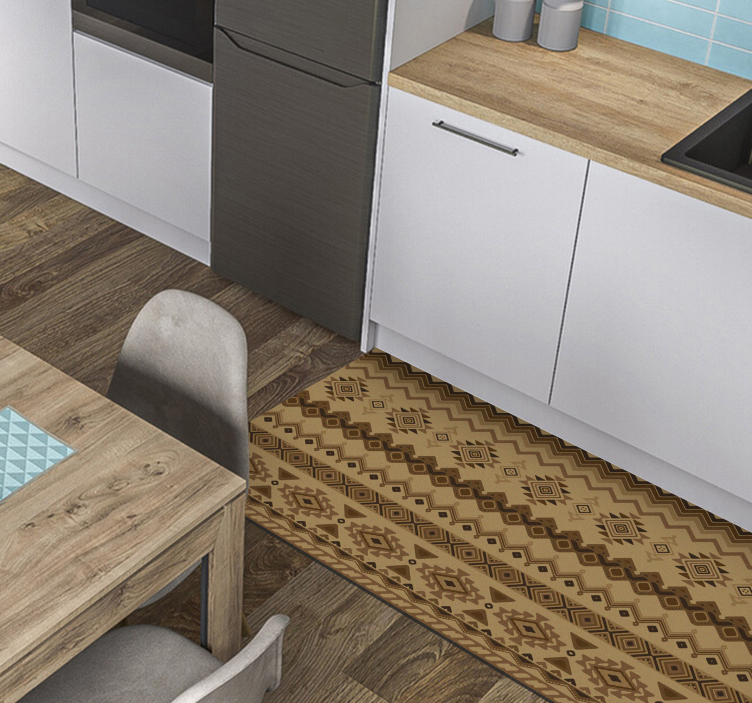
Contribution to air and water pollution during manufacturing
One of the primary environmental concerns associated with vinyl carpets is their production process. Vinyl Carpets are made from polyvinyl chloride (PVC), a synthetic material derived from petroleum. The production of PVC involves the use of fossil fuels and the release of harmful chemicals into the environment, contributing to air and water pollution.
Long decomposition time of vinyl carpets in landfills
Additionally, vinyl carpets may contain phthalates, a group of chemicals used to soften PVC and make it more flexible. Phthalates have been linked to a range of health issues, including respiratory problems, reproductive disorders, and developmental delays in children. While many manufacturers have begun to phase out the use of phthalates in their products, it's important for consumers to be aware of this potential risk when choosing vinyl carpets.
Choosing vinyl carpets with recycled content
Furthermore, vinyl carpets are not biodegradable and can take hundreds of years to break down in a landfill. This contributes to the growing problem of plastic pollution in the environment, as discarded vinyl carpets can end up in landfills or oceans, where they leach harmful chemicals into the soil and water.
Despite these environmental concerns, there are steps that homeowners and designers can take to minimize the impact of vinyl carpets on the environment. Choosing vinyl carpets with recycled content, opting for products that are certified by reputable third-party organizations such as the Carpet and Rug Institute's Green Label, and properly disposing of old vinyl carpets through recycling programs can all help reduce the environmental footprint of this type of flooring.
In conclusion, while vinyl carpets offer a range of benefits in terms of durability, affordability, and versatility, there are also environmental considerations to take into account when choosing this type of flooring. By being aware of the potential environmental impacts and taking steps to minimize them, homeowners and designers can make more sustainable choices when it comes to their flooring options.


Comments
Post a Comment