Why Are Patchwork Rugs Such Artistic Marvels? The History of Patchwork Rugs?
Patchwork rugs are a unique and captivating form of textile art that blend traditional craftsmanship with modern design sensibilities. Originating from various regions around the world, including Turkey, Morocco, and India, these rugs are crafted from an assortment of recycled or vintage rug fragments stitched together to create vibrant and eclectic compositions.
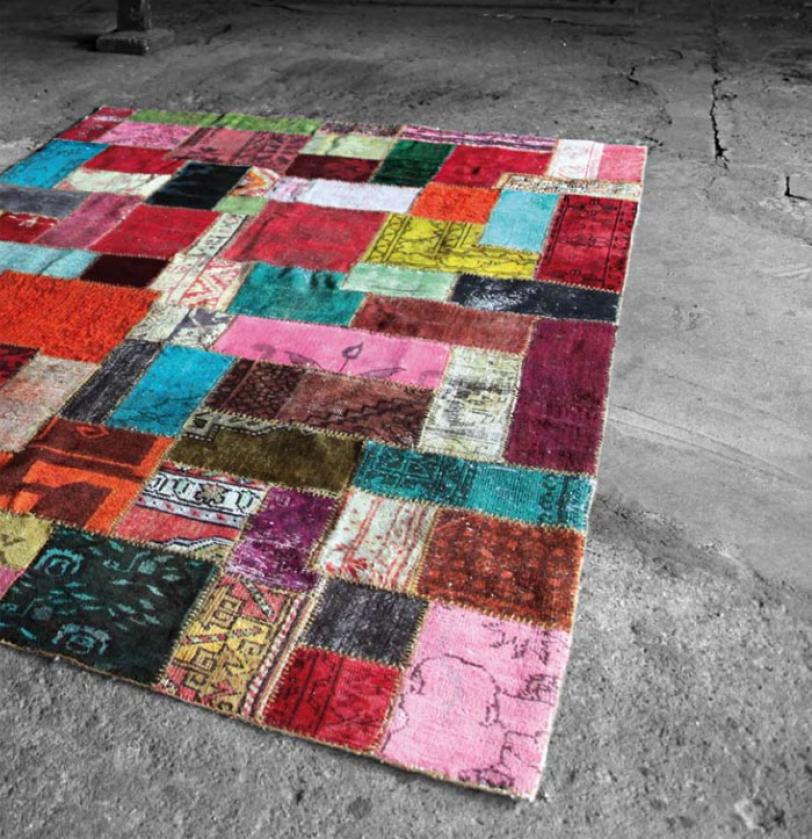
Born out of necessity and evolved into skilled art forms
The history of Patchwork Rugs can be traced back centuries, with evidence of their existence found in ancient cultures and civilizations. In many societies, patchwork techniques were born out of necessity, as artisans sought to repurpose worn or damaged textiles into functional and decorative pieces. Over time, these utilitarian practices evolved into highly skilled art forms, with patchwork rugs emerging as prized possessions cherished for their beauty, craftsmanship, and cultural significance.
Unique tapestry of colors, patterns, and textures
One of the defining characteristics of patchwork rugs is their eclectic and improvisational aesthetic. Each rug is a unique tapestry of colors, patterns, and textures, reflecting the individual creativity and artistic vision of the weaver. By combining disparate elements such as geometric motifs, floral patterns, and abstract designs, patchwork rugs capture the essence of cultural diversity and artistic expression, serving as visual representations of the communities and traditions from which they originate.
Minimizes waste and reduces ecological footprint
Furthermore, patchwork rugs offer a sustainable and environmentally friendly alternative to mass-produced textiles. By repurposing discarded or vintage rug fragments, artisans minimize waste and reduce their ecological footprint, contributing to a more sustainable and ethical approach to textile production. Additionally, the patchwork process allows for endless possibilities for creativity and innovation, as weavers experiment with different combinations of colors, patterns, and textures to create one-of-a-kind masterpieces.
In addition to their aesthetic appeal, patchwork rugs also hold symbolic significance in many cultures. In some societies, patchwork textiles are believed to embody the concept of wabi-sabi, embracing imperfection and impermanence as essential aspects of beauty and authenticity. By celebrating the inherent flaws and irregularities of the materials, patchwork rugs convey a sense of humility, resilience, and interconnectedness with the natural world.
Today, patchwork rugs continue to captivate admirers around the world, cherished for their unique beauty, cultural richness, and sustainable craftsmanship. Whether displayed as wall hangings, floor coverings, or decorative accents, these rugs add a touch of eclectic charm and personality to any interior space. As we admire these vibrant tapestries of color and texture, we also celebrate the enduring legacy of craftsmanship and creativity that defines the art of patchwork.


Comments
Post a Comment